What I care about is helping people bring technology into their lives well — where it's genuinely needed, and where it can do the most good. Not tech for its own sake, not change to look modern. Sometimes that means AI; just as often it means something far simpler.The tech world is accelerating. This is my attempt to slow things down a little: to pick apart the hype and look for the reality and the truth in the messages — primarily around AI, and how it impacts us all.
Field Note: Human in the Lead
|

Jim Christian - Signal Over Noise
What I care about is helping people bring technology into their lives well — where it's genuinely needed, and where it can do the most good. Not tech for its own sake, not change to look modern. Sometimes that means AI; just as often it means something far simpler.The tech world is accelerating. This is my attempt to slow things down a little: to pick apart the hype and look for the reality and the truth in the messages — primarily around AI, and how it impacts us all.
VOL 2, ISSUE 36 · 19 SEPTEMBER 2026 Space to be human Last week I wrote about leaving the Mac for Omarchy after 25 years, and ended on being one step closer to a co-operating system that works with me instead of one I have to work around. A lot of this week comes back to that: creating my own co-operating system from the tools available. This past week has been a major 'back to school' week for the family, including new travelling times, and a massive storm that came through the area mid-week...
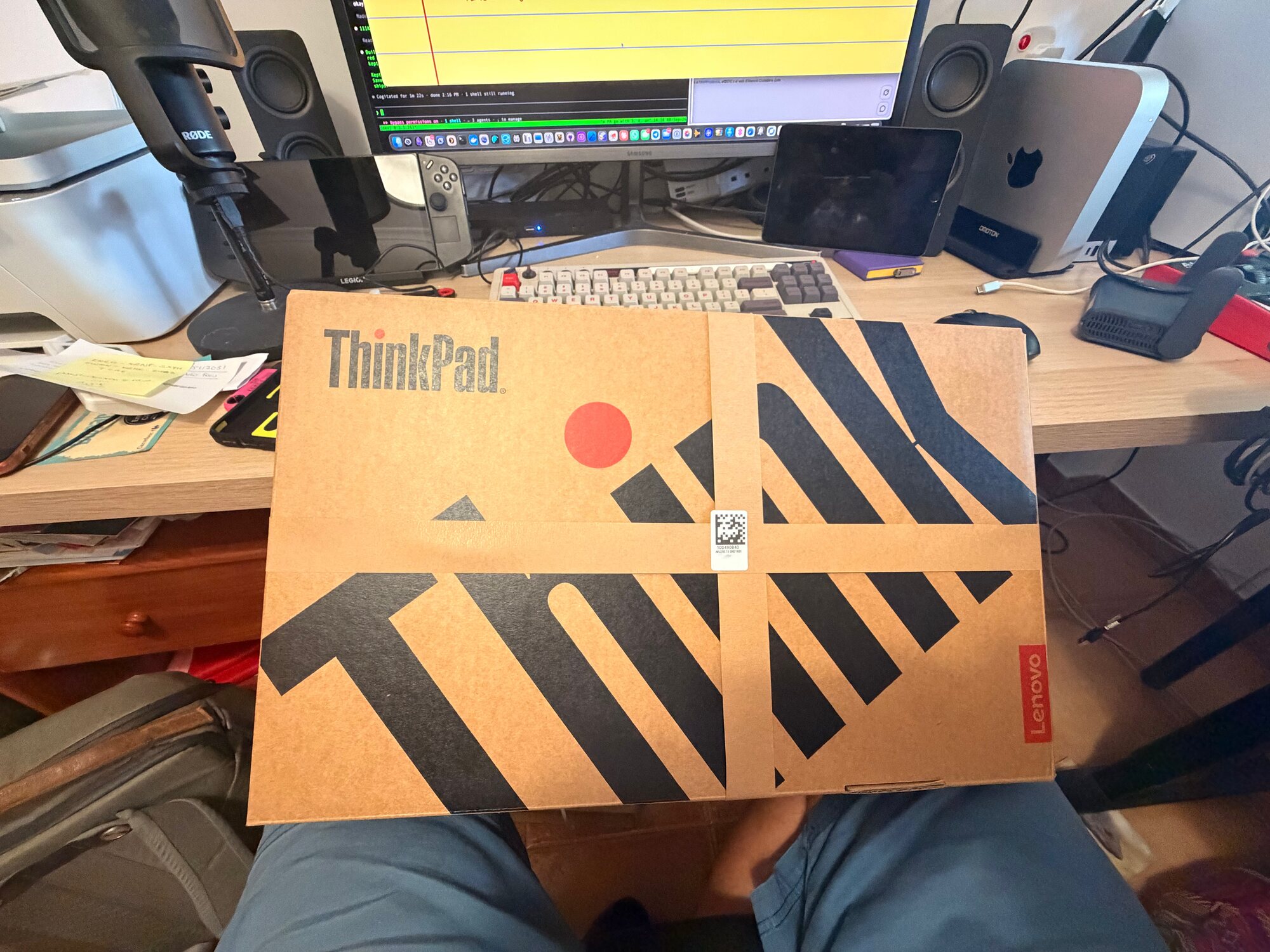
VOL 2, ISSUE 35 · 11 SEPTEMBER 2026 Why I left the Mac for Omarchy after 25 years Last weekend I installed Omarchy alongside macOS on my M2 MacBook Air. Support was hit or miss on the Mac, but I was hooked. I realised this was an operating system I wanted to live with. After more than 25 years primarily using Macs, I bought a Lenovo ThinkPad and made it my daily machine. I did not expect to be buying a computer last week, let alone a PC. The switch happened during a revealing week for Apple....
VOL 2, ISSUE 34 · 4 SEPTEMBER 2026 Handing off the 60% If planning, researching and strategising take up, say, 40% of a task, then 60% is left to execute and iterate. That 60% can take up 100% of your available time if you're doing it manually. This is the week that argument stopped being theoretical for me. The kids are home, my partner is at work, and the writing happens in the gaps — text the agent, deal a new hand of Go Fish, check what came back. It's also the week I started calling...